Our Process
Preserve what matters. Prepare what works.
The aim is not to erase a tool's working life. It is to make an honest assessment, address what can be improved, and describe the result clearly.
01. Assess the Tool
Each piece gets its own standard.
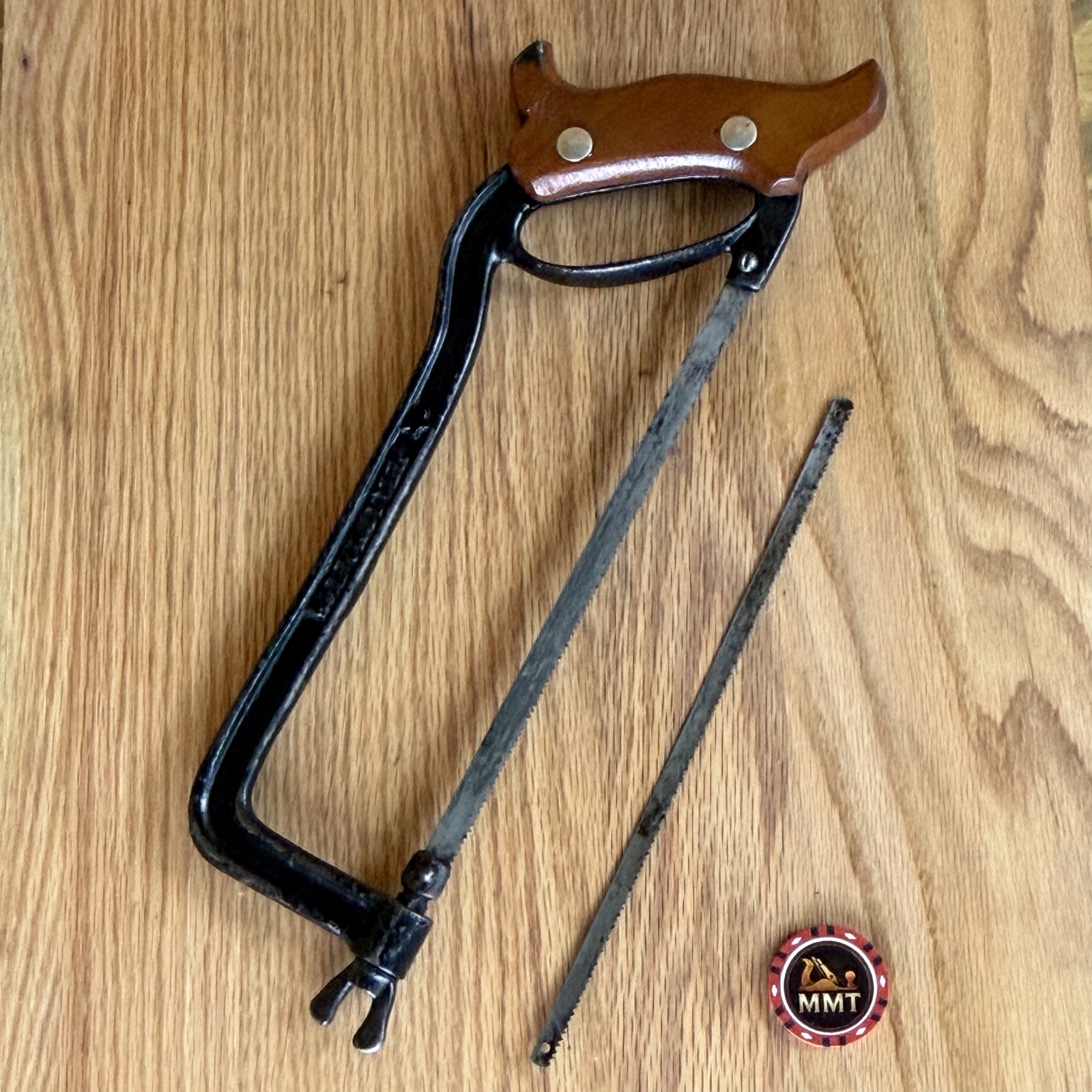
Maker marks, moving parts, edge condition, repairs, original finish, and the kind of work a tool is suited for all shape the approach. A collectible piece and a working tool are not treated the same way.
Clean & stabilize
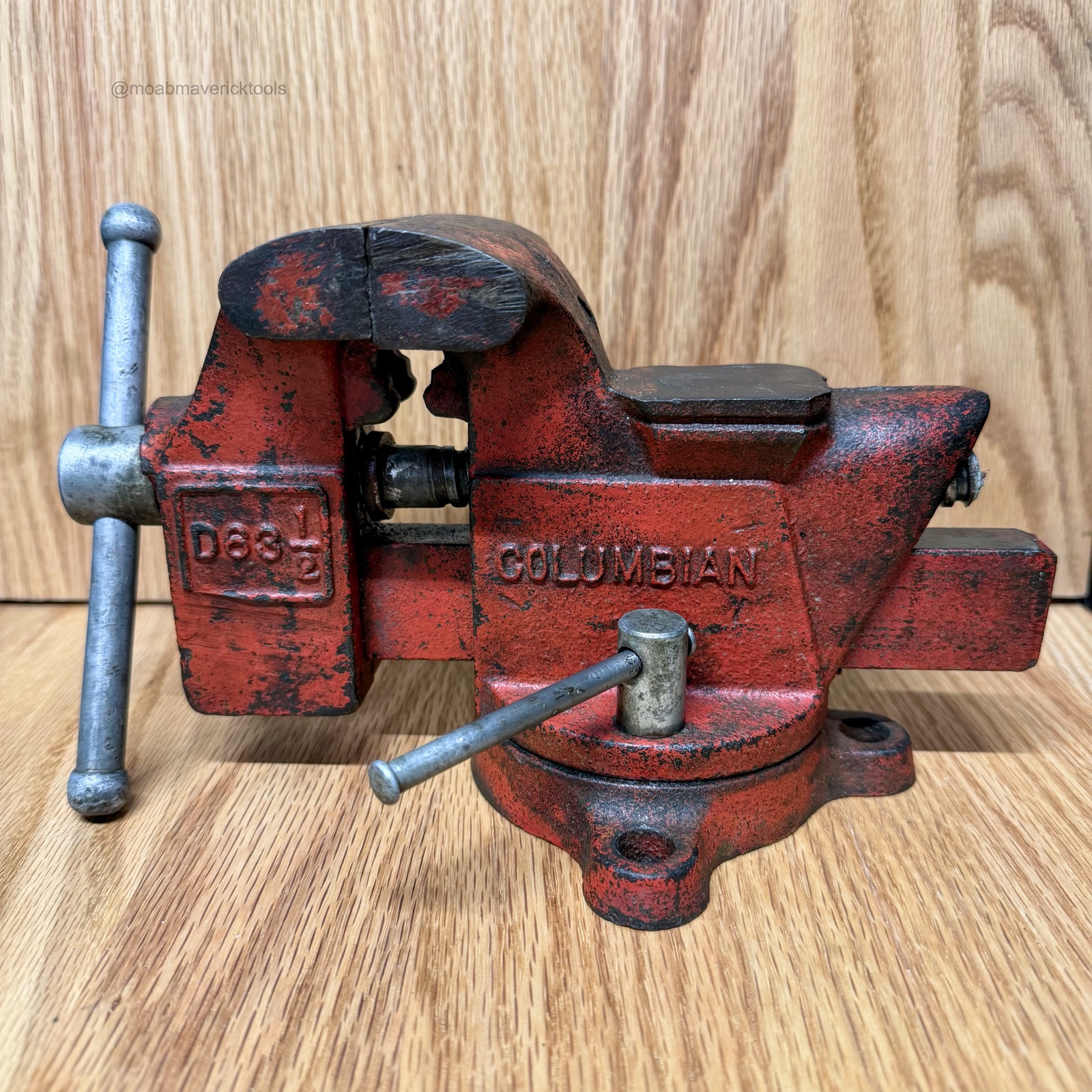
Loose grime and rust are addressed with care. Original paint, patina, stamps, and honest wear are kept when they belong to the tool's character.
Tune & test
When a tool is meant to work, moving parts are cleaned and lubricated, edges are refreshed where appropriate, and function is checked before listing.
Document & pack
Listings call out the details that matter, including maker marks, measurements, condition, limitations, and the exact item pictured. Tools are packed carefully, with vulnerable parts protected where needed.
The point of the work
Tools with scars still have a future.
Some belong back at the bench. Some deserve a place in a collection. Some are better suited to the wall than hard use. The listing should make that difference plain before you buy.
Browse the current tools