Latest Story
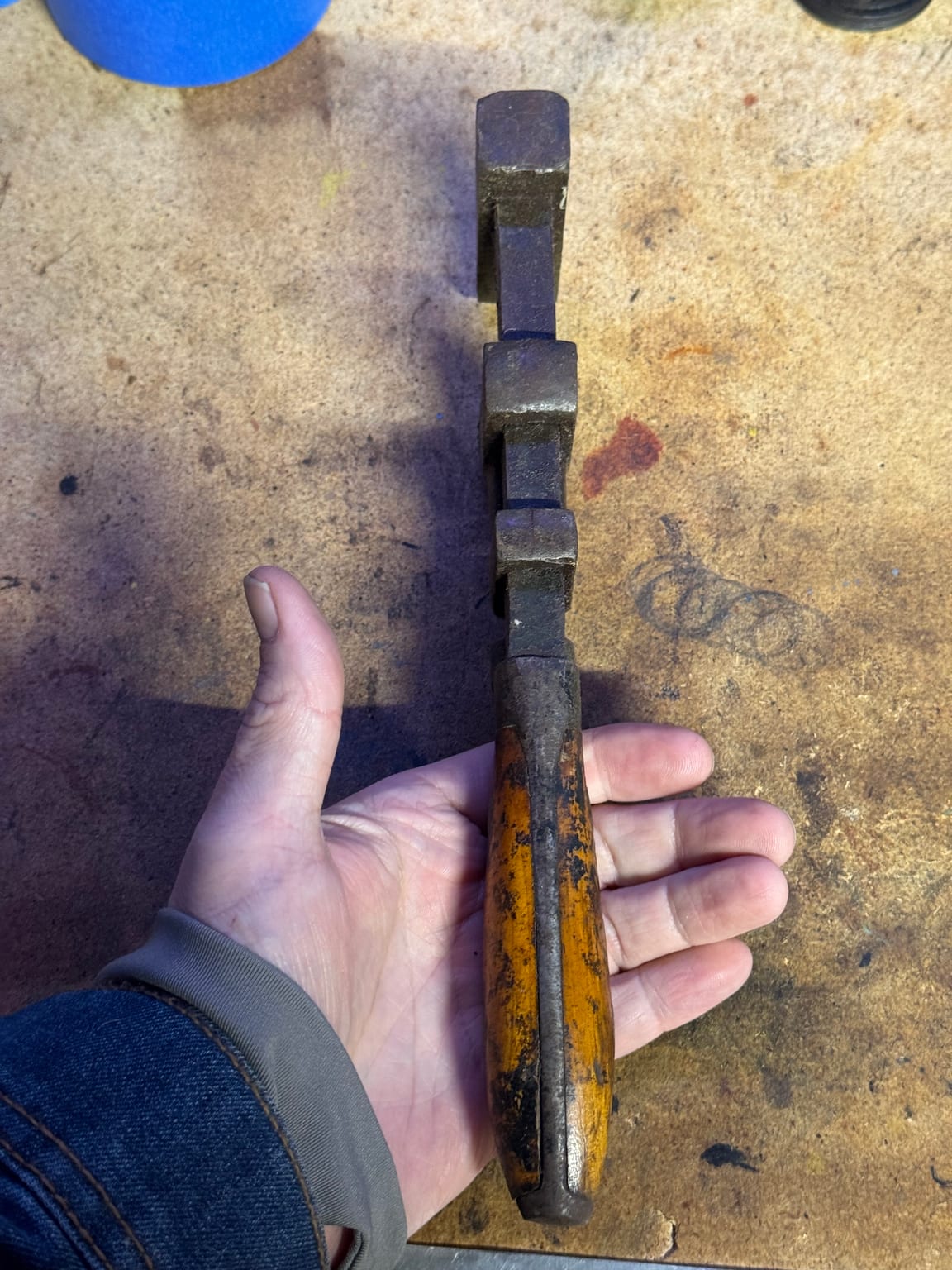
How to Identify an Antique Wrench
A practical identification guide using wrench architecture, maker marks, measurements, patents, period documentation, and confidence levels to determine what an old wrench actually is.
The Journal
Notes from the bench, histories held in steel and wood, and the quiet details that make old tools worth preserving.
Latest Story
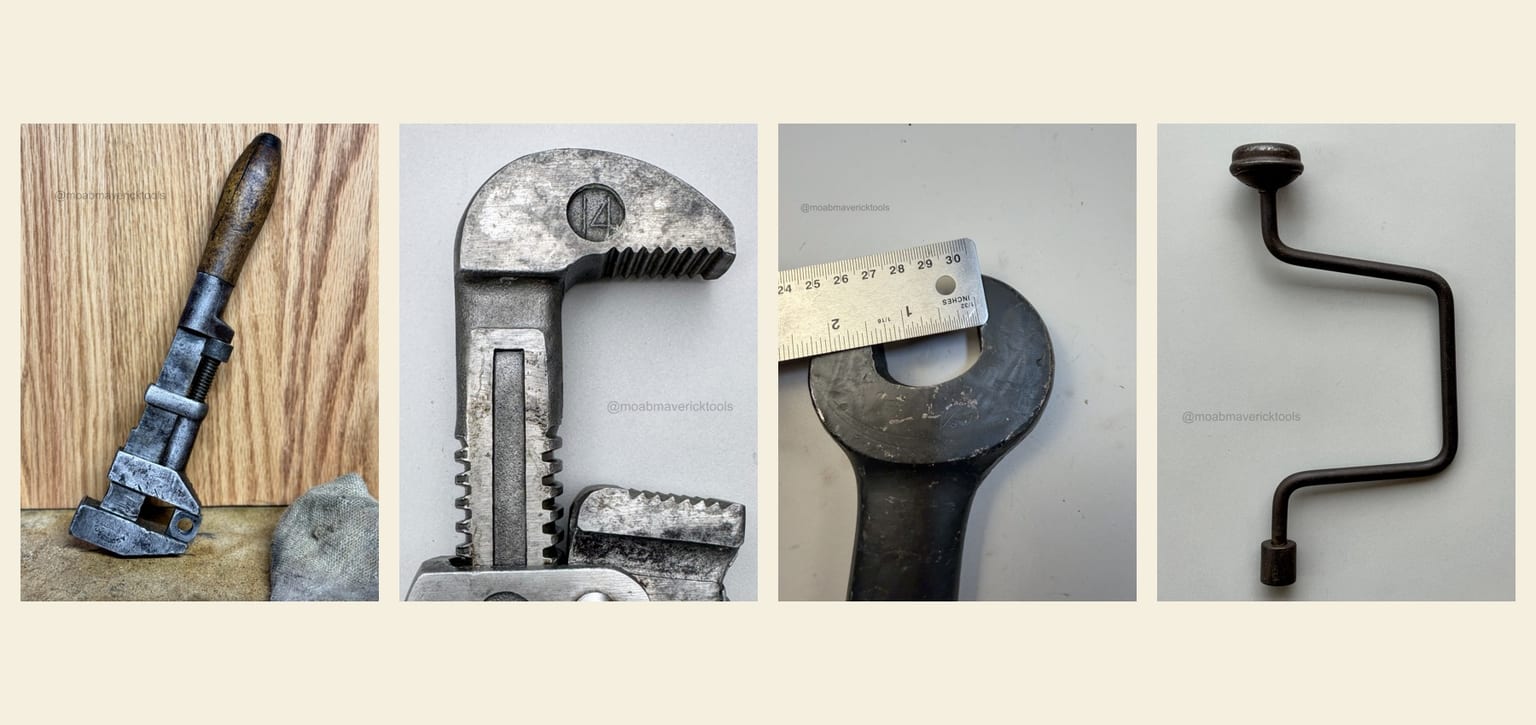
A practical identification guide using wrench architecture, maker marks, measurements, patents, period documentation, and confidence levels to determine what an old wrench actually is.
A wrench is obviously a tool. A vise, micrometer, slide rule, forming block, toolbox, and spool of solder make the boundary less obvious—and more useful to think about.
Continue reading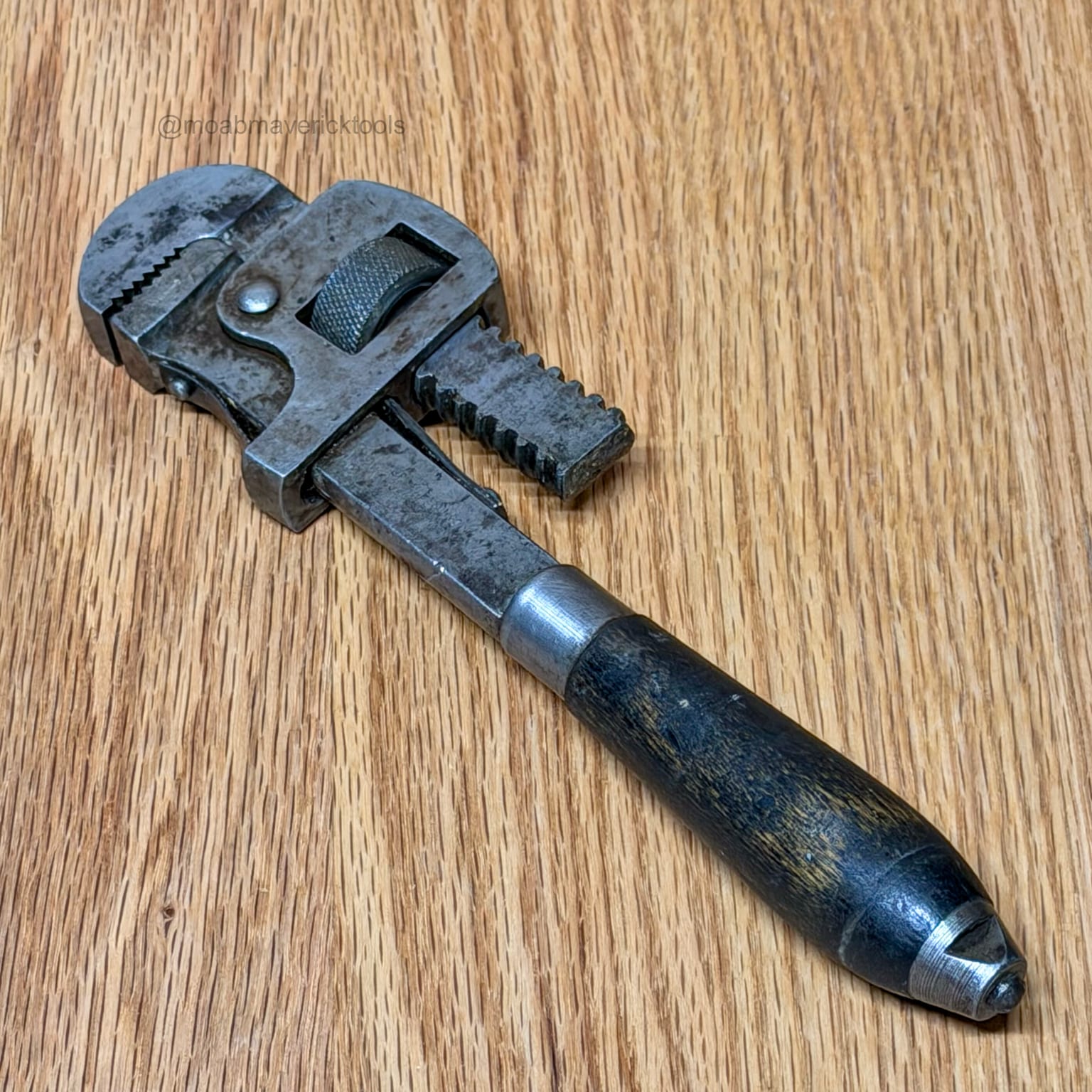
A faint maker's mark led from a plausible identification as a nail puller to Frank W. Whitcher's 1887 patent—and to the tool's original place on a shoemaker's bench.
Continue reading
Two Stanley Bailey No. 5 jack planes, two very different cosmetic histories, and the restoration decisions that let both remain honest working tools.
Continue reading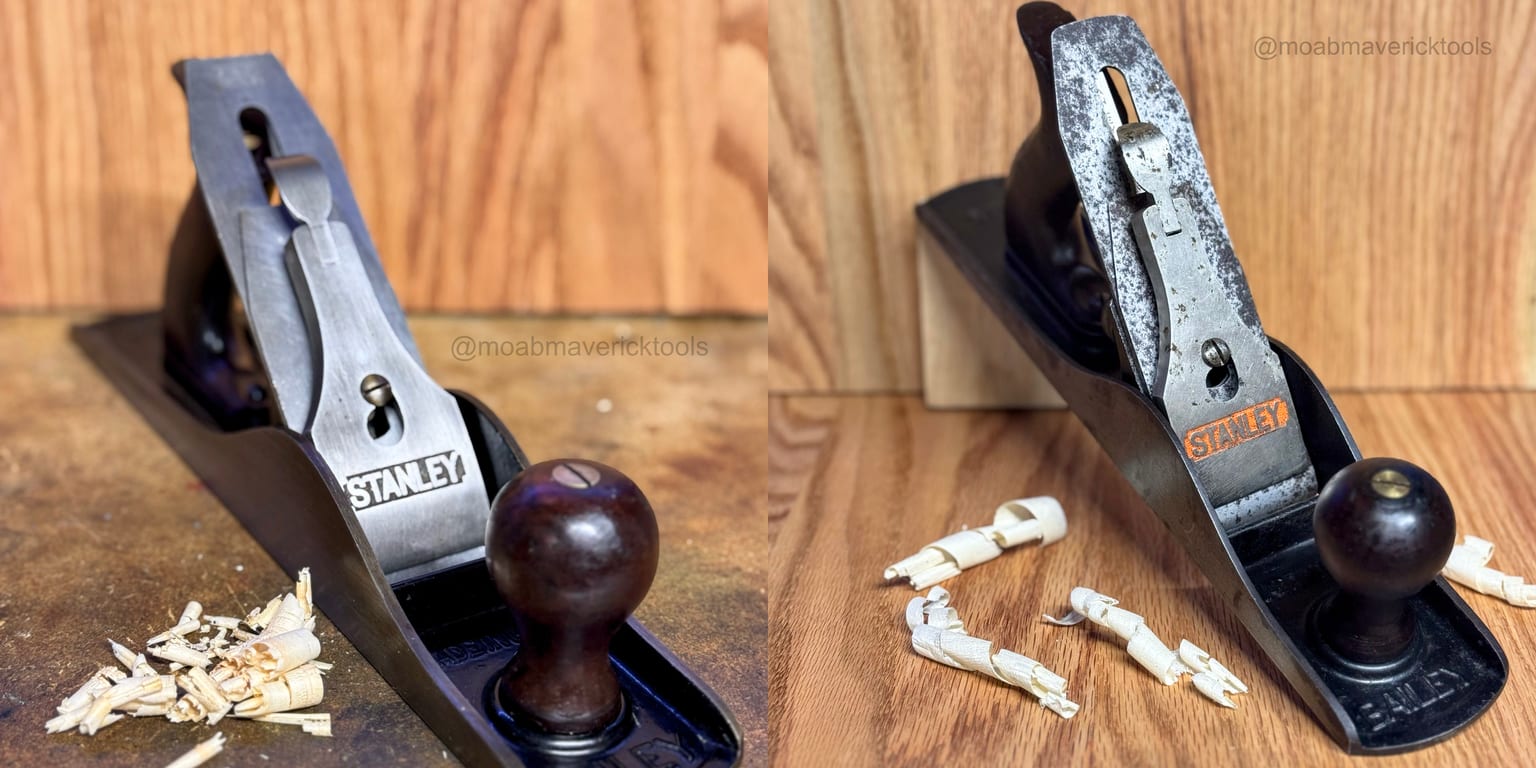
From a St. Louis hardware empire to the old roofing hatchet that helped start Moab Maverick Tools: the documented history, surviving evidence, and enduring legend behind Keen Kutter.
Continue reading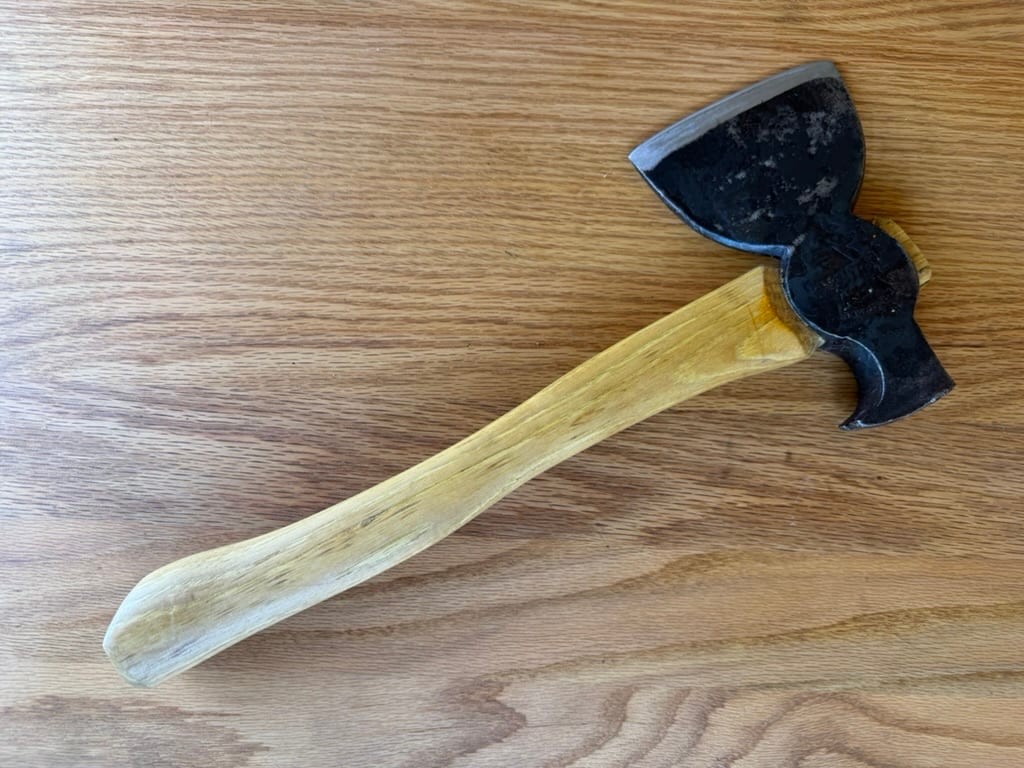
A seized Sargent adjustable wrench, a century of scratches, and why restoration sometimes means knowing when to stop.
Continue reading